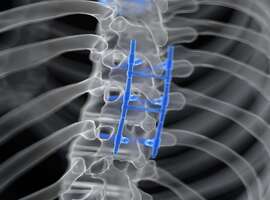
Spinal fusion procedures are a cornerstone of modern orthopedic and neurosurgical practices, addressing a range of conditions that necessitate stabilization and relief. Historically, lumbar fusions have been regarded as intensive, as many open procedures involve long incisions and muscle retraction to reach the affected area. As a result, patients required inpatient hospital stays and extended recovery periods. However, due to recent advances in minimally invasive spine surgery techniques, outpatient lumbar fusions are becoming a viable alternative to treat numerous conditions that once mandated open surgery and inpatient hospital stays. Hence, in recent years there has been a growing interest in performing lumbar fusions on an outpatient basis.
The current article will provide a review of the types of lumbar fusions, including Anterior Lumbar Interbody Fusion (ALIF), Posterior Lumbar Interbody Fusion (PLIF), Transforaminal Lumbar Interbody Fusion (TLIF), Lateral Lumbar Interbody Fusion (LLIF), and Posterior Spinal Fusion (PSF) and their appropriateness of being performed in an outpatient setting. We will also provide a retrospective review of lumbar fusion cases performed by a single surgeon, comparing inpatient and outpatient surgeries. Pre-operative factors, such as patient and procedure selection will be considered, as well as a comparison of inpatient and outpatient risk and benefits. Finally, there will be a commentary on the future of selected lumbar fusion procedures in an outpatient setting.